

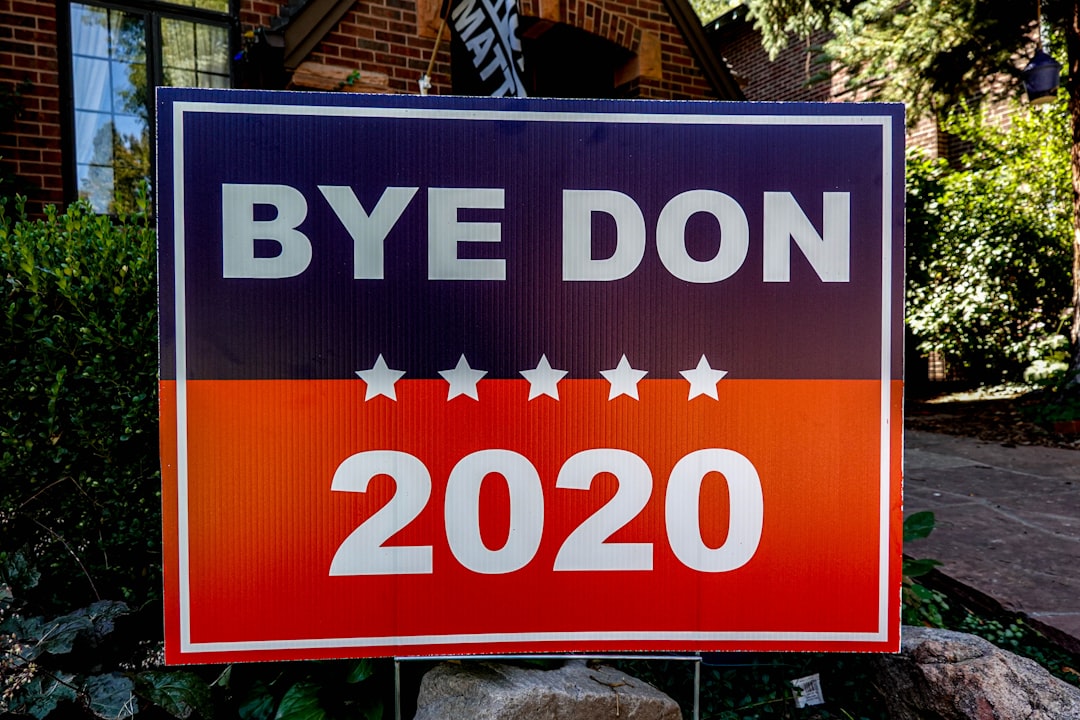
As the world grapples with the challenges of the 21st century, the importance of politics has never been more pronounced. From the streets of Capitol Hill to the corridors of power in Brussels, the decisions made by politicians and policymakers have far-reaching consequences that affect us all. But with the constant barrage of news headlines, social media updates, and talking heads, it’s easy to get lost in the sea of information and lose sight of what’s really at stake. In this blog post, we’ll delve into the world of politics, exploring its intricacies, and providing you with a deeper understanding of the forces that shape our world.
Understanding the Basics of Politics
Before we dive into the complexities of politics, it’s essential to understand the basics. Politics refers to the process of making decisions for a society or group of people. It involves the distribution of power, resources, and values, and is shaped by a multitude of factors, including history, culture, economics, and social norms. At its core, politics is about who gets what, when, and how. It’s a complex web of relationships, interests, and ideologies that interact and influence one another in subtle yet profound ways. To make sense of this complex landscape, it’s crucial to understand the different types of political systems, including democracy, authoritarianism, and liberalism. Each system has its strengths and weaknesses, and understanding these differences is vital for making informed decisions about the world around us.
The Role of Politicians and Policymakers
Politicians and policymakers play a crucial role in shaping the world of politics. They are responsible for creating laws, allocating resources, and making decisions that affect the lives of millions of people. But who are these individuals, and what motivates them? Politicians are often driven by a desire to serve the public interest, but they are also human beings with their own biases, interests, and motivations. Understanding the psychological and sociological factors that drive politicians’ behavior is essential for making sense of their actions. Moreover, policymakers are not just limited to elected officials; they also include bureaucrats, activists, and experts who work behind the scenes to shape policy. By recognizing the diverse range of individuals involved in politics, we can gain a deeper understanding of the complex dynamics at play.
The Impact of Politics on Society
The impact of politics on society cannot be overstated. From the economy to education, healthcare to environmental policy, the decisions made by politicians and policymakers have far-reaching consequences that affect us all. For instance, a country’s economic policy can determine the level of employment, inflation, and growth, while its environmental policy can impact the health and well-being of its citizens. Moreover, politics can also influence social norms and cultural values, shaping our attitudes towards issues like equality, justice, and human rights. By understanding the impact of politics on society, we can better appreciate the importance of civic engagement and participation in the democratic process. Whether it’s voting, protesting, or simply staying informed, our individual actions can collectively shape the course of history.
The Future of Politics: Challenges and Opportunities
As we look to the future, the world of politics is facing unprecedented challenges. From the rise of populism to the threat of climate change, the complexity and interconnectedness of global issues require new forms of cooperation and leadership. Moreover, the increasing polarization of politics, fueled by social media and partisan divisions, threatens to undermine the very fabric of democracy. Yet, despite these challenges, there are also opportunities for growth and innovation. The emergence of new technologies, such as blockchain and artificial intelligence, has the potential to transform the way we engage with politics, making it more accessible, transparent, and accountable. By embracing these changes and working together, we can create a more just, equitable, and sustainable world for all.
In conclusion, the world of politics is complex, multifaceted, and constantly evolving. By understanding the basics of politics, the role of politicians and policymakers, the impact of politics on society, and the challenges and opportunities that lie ahead, we can gain a deeper appreciation for the forces that shape our world. As we navigate this complex landscape, it’s essential to stay informed, engage in civic discourse, and participate in the democratic process. By doing so, we can create a brighter future for ourselves, our communities, and the world at large. Key takeaways from this blog post include:
- Politics is a complex web of relationships, interests, and ideologies that interact and influence one another in subtle yet profound ways.
- Understanding the basics of politics, including different types of political systems, is crucial for making informed decisions about the world around us.
- Politicians and policymakers play a crucial role in shaping the world of politics, and understanding their motivations and behaviors is essential for making sense of their actions.
- The impact of politics on society is far-reaching, affecting everything from the economy to education, healthcare to environmental policy.
- The future of politics is marked by challenges and opportunities, requiring new forms of cooperation, leadership, and innovation to address the complex global issues we face.