

As the old adage goes, “politics is a dirty game.” But is it really? Or is it just a complex system that we don’t fully understand? With the rise of social media and 24-hour news cycles, it’s easier than ever to stay informed about current events and political issues. However, with so much information at our fingertips, it can be overwhelming to navigate the world of politics. In this blog post, we’ll break down the basics of politics, explore the different types of political systems, and provide tips on how to make your voice heard.
Understanding the Basics of Politics
Politics is the process of making decisions for a group of people, whether it’s a country, state, or local community. It involves the distribution of power, resources, and values among different individuals and groups. At its core, politics is about who gets what, when, and how. It’s a complex system that involves many different players, including governments, political parties, interest groups, and individual citizens. To understand politics, it’s essential to know the different types of political systems, including democracy, authoritarianism, and monarchy. Each system has its strengths and weaknesses, and understanding these differences is crucial for making informed decisions about the world around us.
In a democratic system, power is held by the people, either directly or through elected representatives. This type of system is based on the principles of freedom, equality, and justice. Democratic countries like the United States, Canada, and Australia have a system of government that is designed to protect individual rights and promote the common good. On the other hand, authoritarian systems concentrate power in the hands of a single person or group, often at the expense of individual freedoms. Examples of authoritarian regimes include China, North Korea, and Saudi Arabia. Monarchies, like the United Kingdom and Jordan, have a system of government where a king or queen holds significant power, although this power is often limited by a constitution or other checks and balances.
The Role of Political Parties and Interest Groups
Political parties and interest groups play a crucial role in shaping the political landscape. Political parties are organizations that seek to influence government policy and decisions by electing their members to office. They often have a platform or set of principles that guide their policies and decisions. In the United States, for example, the Democratic and Republican parties are the two main parties, with the Democrats generally promoting liberal policies and the Republicans promoting conservative policies. Interest groups, on the other hand, are organizations that advocate for specific causes or policies, often on behalf of a particular industry or constituency. Examples of interest groups include the National Rifle Association (NRA), the American Civil Liberties Union (ACLU), and the Sierra Club.
These groups can have a significant impact on politics, as they often have significant resources and influence. They can lobby government officials, donate to political campaigns, and mobilize public support for their causes. However, they can also be criticized for promoting special interests over the public interest. To navigate the complex world of politics, it’s essential to understand the role of these groups and how they shape policy decisions.
Making Your Voice Heard
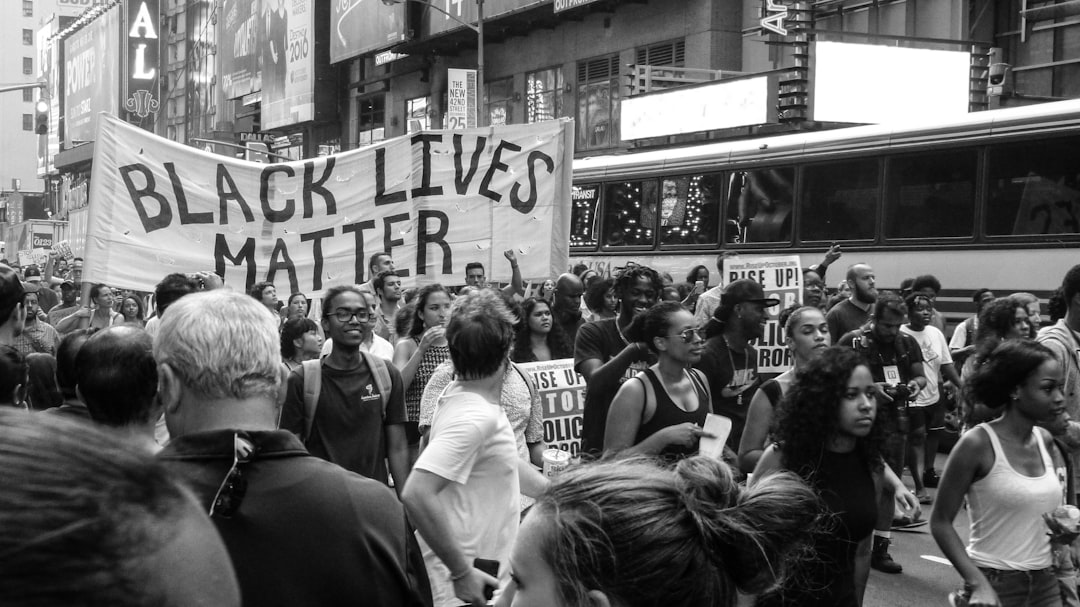
So, how can you make your voice heard in the world of politics? The first step is to stay informed about current events and political issues. This can involve reading news articles, watching documentaries, and following social media accounts of politicians and interest groups. It’s also essential to register to vote and participate in elections, as voting is one of the most fundamental ways to exercise your democratic rights. In addition to voting, you can also contact your elected representatives, attend town hall meetings, and join advocacy groups to promote causes you care about.
Another way to make your voice heard is through social media. Platforms like Twitter, Facebook, and Instagram provide a powerful tool for mobilizing public support and raising awareness about important issues. You can use hashtags to connect with others who share your interests, share articles and videos to educate your friends and followers, and participate in online campaigns to promote social change. Finally, consider volunteering for a political campaign or cause you care about. This can involve canvassing, phone banking, or helping with event planning. By taking action and making your voice heard, you can help shape the world around you and create positive change.
The Future of Politics
As we look to the future, it’s clear that politics will continue to play a vital role in shaping our world. With the rise of technology and social media, it’s easier than ever to stay informed and get involved. However, it’s also important to recognize the challenges that lie ahead. Issues like climate change, economic inequality, and social injustice require immediate attention and action. To address these challenges, we need to work together to build a more just and equitable society.
This involves promoting critical thinking and media literacy, as well as encouraging civic engagement and participation. We also need to recognize the importance of diversity and inclusion, as these values are essential for building a strong and vibrant democracy. By working together and promoting these values, we can create a brighter future for ourselves and for generations to come.
In conclusion, politics is a complex and multifaceted system that plays a vital role in shaping our world. By understanding the basics of politics, the role of political parties and interest groups, and how to make your voice heard, you can become a more informed and engaged citizen. Remember to stay informed, register to vote, and participate in elections. Use social media to mobilize public support and raise awareness about important issues. And finally, consider volunteering for a political campaign or cause you care about. By taking action and making your voice heard, you can help create positive change and build a more just and equitable society. The future of politics is in our hands – let’s work together to shape a brighter future for all.