

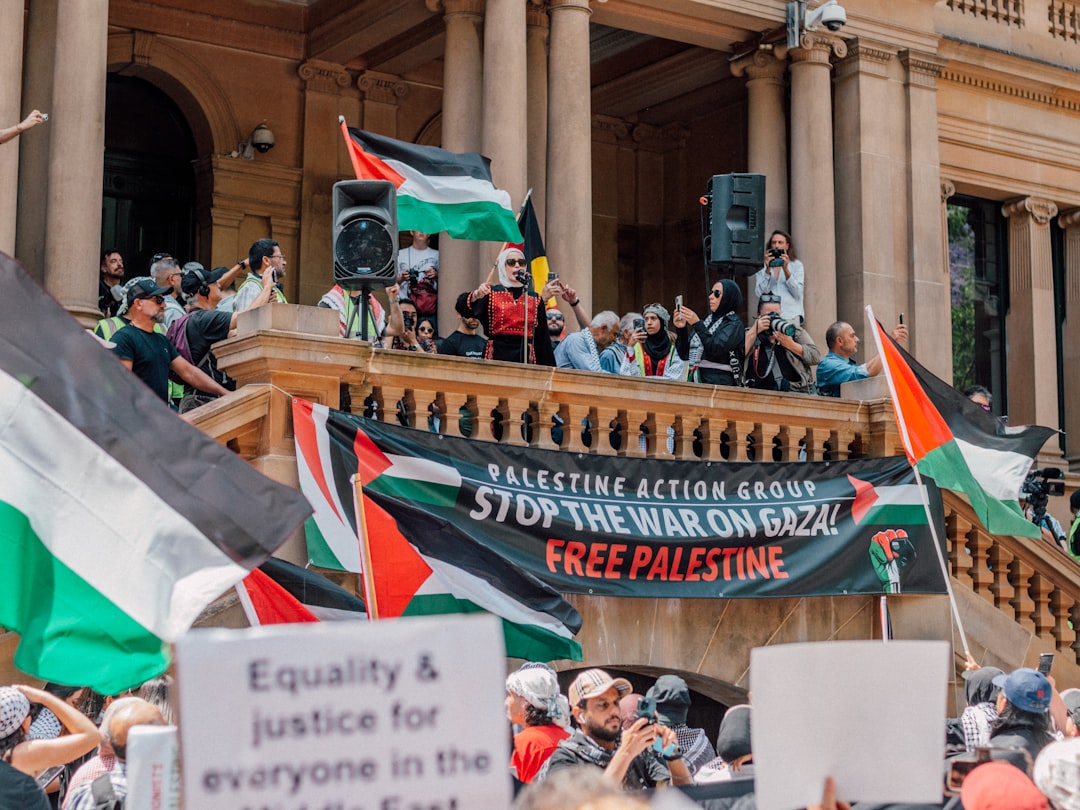
As the world grapples with the challenges of the 21st century, the importance of politics has never been more pronounced. From climate change to economic inequality, the decisions made by politicians have a direct impact on our daily lives. Yet, for many of us, the world of politics can seem daunting and inaccessible. With so many different ideologies, parties, and interest groups vying for attention, it’s easy to feel overwhelmed and disconnected from the process. But what if you could gain a deeper understanding of the system and become a more informed, engaged citizen? In this comprehensive guide, we’ll delve into the world of politics, exploring its key components, the role of citizens, and the ways in which we can all make a positive impact.
What is Politics, Anyway?
Politics is often viewed as a dirty word, associated with corruption, scandals, and partisan gridlock. But at its core, politics is simply the process of making decisions that affect a group of people. It’s a complex, multifaceted system that involves the interaction of various stakeholders, including governments, citizens, interest groups, and the media. In a democratic society, politics is meant to be a representative system, where elected officials are chosen to make decisions on behalf of the people. However, this system is not without its flaws, and it’s up to us as citizens to stay informed, engaged, and active in the process. By understanding the basics of politics, including the different types of governments, political ideologies, and the role of institutions, we can begin to navigate the system with confidence.
The Role of Citizens in Politics
As citizens, we play a crucial role in shaping the direction of our country. From voting in elections to contacting our representatives, there are numerous ways to get involved and make our voices heard. But why is citizen engagement so important? For one, it helps to ensure that our elected officials are accountable to the people they represent. By staying informed and active, we can hold our leaders accountable for their actions and push for policies that benefit the greater good. Additionally, citizen engagement can help to build a more inclusive, representative democracy, where all voices are heard and valued. So, how can you get started? Begin by staying up-to-date on current events, reading news from multiple sources, and following your elected officials on social media. You can also attend town hall meetings, join a local advocacy group, or participate in online forums to connect with others who share your interests.
The Impact of Politics on Our Lives
Politics has a profound impact on our daily lives, shaping everything from the economy to education, healthcare, and the environment. The policies enacted by our governments can either support or hinder our well-being, depending on their focus and effectiveness. For example, a government that prioritizes investments in renewable energy can help to reduce our reliance on fossil fuels, creating a cleaner, healthier environment for future generations. On the other hand, a government that neglects to address issues like economic inequality can perpetuate cycles of poverty, limiting opportunities for social mobility. By understanding the ways in which politics affects our lives, we can begin to advocate for policies that promote the common good. This might involve supporting organizations that work on issues you care about, volunteering your time to help register voters, or simply having conversations with friends and family about the importance of civic engagement.
Navigating the Complexities of Politics
With so many different perspectives and ideologies at play, it can be challenging to navigate the complexities of politics. One key strategy is to seek out diverse sources of information, including news outlets, academic journals, and social media platforms. By exposing ourselves to a range of viewpoints, we can gain a more nuanced understanding of the issues and develop our own informed opinions. Additionally, it’s essential to stay critical, evaluating the information we consume and being wary of biases or misinformation. This might involve fact-checking claims, analyzing evidence, and considering multiple sides of an argument. By cultivating a critical thinking approach, we can become more discerning consumers of information and more effective participants in the democratic process.
Conclusion: Empowering Ourselves through Politics
In conclusion, politics is a complex, multifaceted system that affects us all. By gaining a deeper understanding of the system, including its key components, the role of citizens, and the ways in which we can make a positive impact, we can become more informed, engaged, and active participants in the process. Remember, politics is not just about governments and institutions – it’s about people, and the choices we make every day. By staying informed, getting involved, and advocating for policies that promote the common good, we can create a more just, equitable, and sustainable world for all. So, take the first step today: read up on current events, attend a local meeting, or simply start a conversation with someone about the issues that matter to you. Together, we can build a brighter future, one that reflects the values and aspirations of our collective humanity. Key takeaways from this guide include the importance of citizen engagement, the impact of politics on our daily lives, and the need for critical thinking and media literacy in navigating the complexities of the system. By embracing these principles, we can empower ourselves and our communities, creating a more vibrant, participatory democracy that truly represents the will of the people.