

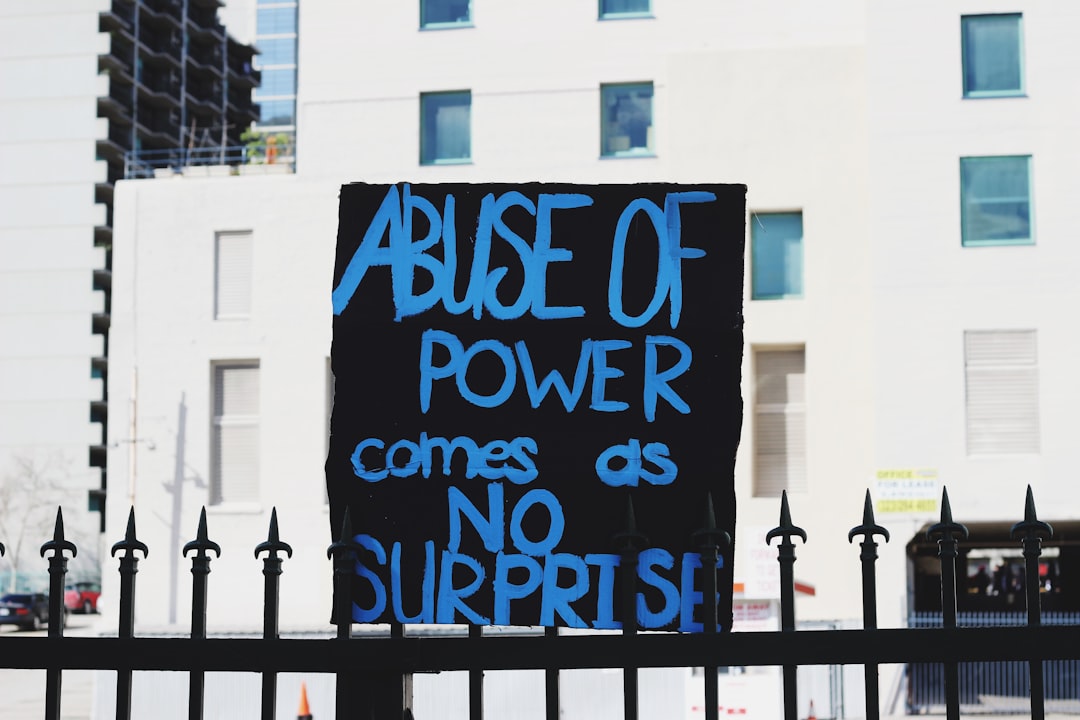
As the old adage goes, “politics is a dirty game.” But is it really? Or is it just a complex system that we, as citizens, need to navigate to create positive change? With the rise of social media and 24-hour news cycles, it’s easier than ever to stay informed about current events and get involved in the political process. But with so much information at our fingertips, it can be overwhelming to know where to start. In this article, we’ll break down the world of politics into manageable chunks, exploring the different types of government, the role of citizens, and how to make your voice heard.
Understanding the Basics of Government
Before we dive into the nitty-gritty of politics, it’s essential to understand the basics of government. There are several types of government systems, including democracy, monarchy, oligarchy, and authoritarianism. In a democracy, power is held by the people, either directly or through elected representatives. This is in contrast to a monarchy, where power is held by a single ruler, or an oligarchy, where power is held by a small group of individuals. Authoritarianism, on the other hand, is a system in which the government has complete control over all aspects of life.
In the United States, we have a democratic system of government, with a president, congress, and judicial branch. This system is designed to provide checks and balances, ensuring that no one branch of government has too much power. But how does it really work? The president is responsible for executing laws, while congress is responsible for making them. The judicial branch, consisting of the supreme court and lower courts, is responsible for interpreting laws and ensuring that they align with the constitution.
The Role of Citizens in Politics
So, what role do citizens play in the political process? The answer is, a big one. In a democratic system, citizens have the power to elect representatives, vote on laws, and hold their government accountable. But many citizens feel disconnected from the political process, unsure of how to get involved or make their voices heard. The truth is, there are many ways to participate in politics, from voting and volunteering to protesting and contacting your representatives.
One of the most important ways to get involved in politics is to stay informed. This means following current events, reading news from multiple sources, and seeking out diverse perspectives. It’s also essential to understand the issues that affect your community and the country as a whole. This might involve attending town hall meetings, joining a local advocacy group, or participating in online forums. By staying informed and engaged, citizens can hold their government accountable and push for positive change.
Making Your Voice Heard
So, how can you make your voice heard in the political process? One of the most effective ways is to contact your representatives. This might involve writing a letter, making a phone call, or sending an email. You can also participate in protests and rallies, which can be a powerful way to raise awareness about an issue and push for change. Volunteering for a campaign or advocacy group is another great way to get involved, as it allows you to work directly with others who share your values and goals.
In addition to these traditional methods, social media has become a powerful tool for making your voice heard. Platforms like Twitter, Facebook, and Instagram allow you to connect with others, share your thoughts and opinions, and mobilize around a cause. Hashtag campaigns, online petitions, and viral videos can all be effective ways to raise awareness and build momentum around an issue. However, it’s essential to use social media responsibly, avoiding echo chambers and seeking out diverse perspectives.
The Impact of Technology on Politics
The rise of technology has had a profound impact on politics, changing the way we consume information, interact with our government, and participate in the political process. Social media, in particular, has become a key player in politics, with many politicians and campaigns using platforms like Twitter and Facebook to connect with voters and share their messages. Online advertising has also become a major factor in politics, allowing campaigns to target specific demographics and tailor their messages to specific audiences.
However, the impact of technology on politics is not all positive. The spread of misinformation and disinformation has become a major concern, with many people unsure of what to believe or who to trust. This has led to a growing sense of polarization and division, with many people feeling disconnected from the political process and unsure of how to engage. To combat this, it’s essential to prioritize media literacy, seeking out credible sources and fact-checking information before sharing it.
Conclusion and Key Takeaways
In conclusion, the world of politics is complex and multifaceted, with many different systems, structures, and players. But by understanding the basics of government, the role of citizens, and how to make your voice heard, you can become a more informed and engaged participant in the political process. Remember to stay informed, seek out diverse perspectives, and use social media responsibly. By working together and using our collective voices, we can create positive change and build a better future for all.
Key takeaways from this article include:
- Understanding the basics of government, including the different types of systems and structures
- Recognizing the importance of citizen participation in the political process
- Using social media and other technologies to make your voice heard and mobilize around a cause
- Prioritizing media literacy and seeking out credible sources of information
- Engaging in respectful and constructive dialogue with others, even when you disagree
By following these tips and staying engaged, you can become a more effective and informed participant in the political process, helping to shape the future of your community and the country as a whole. Remember, politics is not a dirty game – it’s a complex system that requires our participation and engagement to create positive change. So, get involved, make your voice heard, and let’s work together to build a better future for all.