

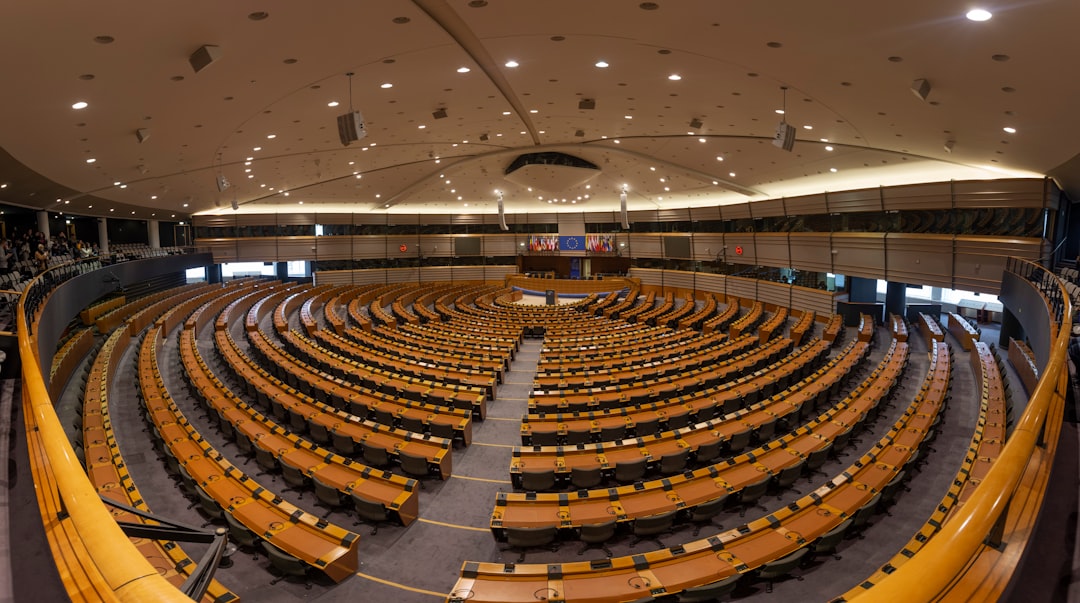
As the world becomes increasingly interconnected, the importance of politics in shaping our lives cannot be overstated. From the laws that govern our daily activities to the policies that impact our economy, education, and healthcare, politics plays a vital role in determining the direction of our society. However, with so many complex issues and ideologies at play, it can be daunting for individuals to navigate the world of politics and make their voices heard. In this blog post, we will delve into the intricacies of politics, exploring the different types of political systems, the role of citizens in the political process, and the ways in which individuals can engage with politics to create positive change.
Understanding Political Systems
To begin with, it’s essential to understand the different types of political systems that exist around the world. The most common types of political systems include democracy, authoritarianism, and monarchy. In a democratic system, power is held by the people, either directly or through elected representatives. This type of system is characterized by free and fair elections, protection of individual rights and freedoms, and an independent judiciary. On the other hand, authoritarian systems are characterized by a concentration of power in the hands of a single individual or group, often with limited protections for individual rights and freedoms. Monarchies, meanwhile, are systems in which power is held by a monarch or royal family, often with a mix of democratic and authoritarian elements.
In addition to these broad categories, there are also various sub-types of political systems, such as constitutional democracies, parliamentary democracies, and presidential democracies. Each of these systems has its own unique characteristics and advantages, and understanding the differences between them is crucial for making informed decisions about the type of system that is best suited to a particular country or region. For instance, a constitutional democracy like the United States is characterized by a strong emphasis on individual rights and freedoms, as well as a system of checks and balances to prevent any one branch of government from becoming too powerful. In contrast, a parliamentary democracy like the United Kingdom is characterized by a fusion of powers between the legislative and executive branches, with a prime minister serving as the head of government.
The Role of Citizens in the Political Process
One of the most critical aspects of any political system is the role of citizens in the political process. In a democratic system, citizens have the power to shape the direction of their country by voting, contacting their elected representatives, and engaging in public debate. However, many citizens feel disconnected from the political process, and may not know how to make their voices heard. To address this issue, it’s essential to educate citizens about the importance of civic engagement and provide them with the tools and resources they need to participate in the political process.
One of the most effective ways for citizens to engage with politics is through voting. By casting their ballots, citizens can help to determine the direction of their country and hold their elected representatives accountable for their actions. Additionally, citizens can contact their representatives to express their opinions on particular issues, attend public meetings and town halls, and participate in peaceful protests and demonstrations. Social media has also become an essential tool for civic engagement, allowing citizens to connect with others who share their interests and passions, and to mobilize around specific causes and issues.
Engaging with Politics to Create Positive Change
So, how can individuals engage with politics to create positive change? One of the most effective ways is to get involved in local politics, where individuals can have a direct impact on the issues that affect their communities. This can involve volunteering for a local campaign, attending city council meetings, or joining a community organization that focuses on issues like education, healthcare, or environmental protection. Additionally, individuals can support organizations that work to promote civic engagement and voter education, such as the League of Women Voters or the National Association of Secretaries of State.
Another way to engage with politics is to stay informed about current events and issues. This can involve reading news articles and opinion pieces, watching documentaries and news programs, and following social media accounts that provide analysis and commentary on politics. By staying informed, individuals can develop a deeper understanding of the complex issues that shape our world, and can make more informed decisions about the type of change they want to see. Finally, individuals can use their skills and talents to create positive change, whether through writing, art, music, or other forms of creative expression. By using their voices and talents to raise awareness about social and political issues, individuals can help to inspire others to get involved and make a difference.
Overcoming Challenges and Staying Motivated
Despite the many opportunities for civic engagement and positive change, there are also numerous challenges that individuals may face when trying to navigate the world of politics. One of the most significant challenges is the sense of disillusionment and disconnection that many citizens feel towards the political process. This can be due to a variety of factors, including corruption, inequality, and a lack of representation. To overcome these challenges, it’s essential to stay motivated and focused on the issues that matter most. This can involve setting clear goals and priorities, building a support network of like-minded individuals, and celebrating small victories and successes along the way.
Additionally, individuals can draw inspiration from the many social and political movements that have created positive change throughout history. From the civil rights movement to the women’s suffrage movement, these movements demonstrate the power of collective action and the importance of perseverance and determination. By learning from these examples and applying the lessons to their own lives and communities, individuals can help to create a more just and equitable society, and can inspire others to do the same.
In conclusion, navigating the complex world of politics requires a combination of knowledge, skills, and motivation. By understanding the different types of political systems, the role of citizens in the political process, and the ways in which individuals can engage with politics to create positive change, citizens can make informed decisions and take action to shape the direction of their country. Whether through voting, volunteering, or creative expression, there are many ways for individuals to get involved and make a difference. So, don’t be afraid to raise your voice, challenge the status quo, and demand a better future for yourself and your community. Remember, politics is not just a spectator sport – it’s a participatory process that requires the active engagement of citizens to create positive change and build a more just and equitable society. Key takeaways from this blog post include the importance of civic engagement, the need to stay informed about current events and issues, and the power of collective action to create positive change. By applying these lessons and staying committed to the cause, individuals can help to create a brighter future for themselves and for generations to come.