

As the world grapples with the challenges of the 21st century, from climate change to economic inequality, the importance of politics has never been more pronounced. Yet, for many of us, the world of politics can seem daunting, even impenetrable. With its complex web of ideologies, institutions, and interest groups, it’s easy to feel lost in the noise. But what if you could cut through the chaos and gain a deeper understanding of the forces that shape our world? In this comprehensive guide, we’ll delve into the world of politics, exploring its key concepts, institutions, and players, and providing you with the knowledge and insights you need to navigate this complex landscape.
What is Politics, Anyway?
Politics is often defined as the art of governance, but it’s so much more than that. At its core, politics is about the distribution of power and resources within a society. It’s about who gets to make decisions, how those decisions are made, and who benefits from them. Politics is a multifaceted field that encompasses a wide range of activities, from electioneering and policy-making to social movements and activism. Whether you’re a seasoned politico or just starting to get interested in current events, understanding the basics of politics is essential for making sense of the world around you. Key concepts like democracy, authoritarianism, and liberalism are just the starting point; to really grasp the nuances of politics, you need to explore the complex interplay between institutions, interest groups, and ideologies.
The Institutions of Politics: Understanding the Players
When it comes to politics, institutions are the building blocks of governance. From parliaments and congresses to courts and bureaucracies, these institutions play a crucial role in shaping policy and decision-making. But institutions are not just abstract concepts; they’re made up of real people, with their own interests, biases, and agendas. Understanding the inner workings of these institutions is essential for grasping how politics really works. For example, the role of lobbying in shaping policy is a critical aspect of politics, with interest groups and corporations often exerting significant influence over decision-makers. Similarly, the media plays a vital role in shaping public opinion and holding politicians to account. By exploring the complex relationships between these institutions, you can gain a deeper understanding of the power dynamics that drive politics.
The Ideologies of Politics: Left, Right, and Everything in Between
Politics is often characterized as a battle between left and right, with liberals and conservatives locked in a struggle for dominance. But the reality is far more nuanced. From socialism and communism to libertarianism and fascism, the ideological landscape of politics is vast and complex. Understanding these ideologies is essential for making sense of the policy debates and political discourse that shape our world. For instance, the concept of social justice is a key aspect of progressive politics, with many advocates arguing for greater equality and fairness in the distribution of resources. On the other hand, conservative ideologies often emphasize the importance of individual freedom and limited government intervention. By exploring the strengths and weaknesses of these ideologies, you can develop a more informed perspective on the key issues of our time.
Making Your Voice Heard: Engaging with Politics
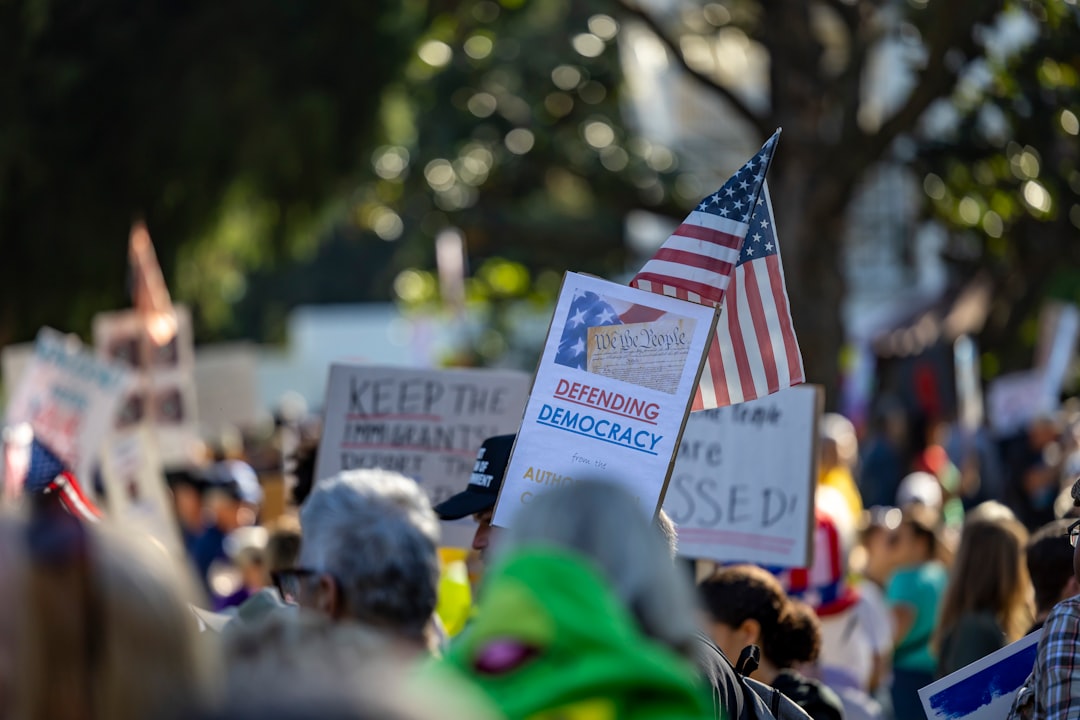
So, how can you make a difference in the world of politics? The answer is simpler than you might think. From voting and volunteering to activism and advocacy, there are countless ways to engage with politics and shape the world around you. Whether you’re passionate about climate change, economic inequality, or social justice, there are countless organizations, campaigns, and movements that need your support. By getting involved in politics, you can help to create positive change and build a better future for yourself and your community. For example, the rise of grassroots movements like Occupy Wall Street and Black Lives Matter has shown the power of collective action in driving social change. Similarly, the growth of online activism has made it easier than ever to get involved in politics, with social media platforms providing a powerful tool for mobilizing support and raising awareness.
Conclusion: The Power of Politics
In conclusion, politics is a complex and multifaceted field that encompasses a wide range of activities, institutions, and ideologies. By understanding the basics of politics, exploring the institutions and ideologies that shape our world, and engaging with the political process, you can gain a deeper appreciation for the forces that drive our society. Whether you’re a seasoned politico or just starting to get interested in current events, the world of politics has something to offer everyone. So, next time you’re tempted to tune out the noise and disengage from the political process, remember that politics is not just a spectator sport; it’s a vital part of our shared humanity. By getting involved, staying informed, and making your voice heard, you can help to create a better future for yourself, your community, and the world at large. Key takeaways from this guide include the importance of understanding the institutions and ideologies of politics, the need to engage with the political process, and the power of collective action in driving social change. With these insights, you’ll be well on your way to navigating the complex world of politics and making a positive impact on the world around you.