

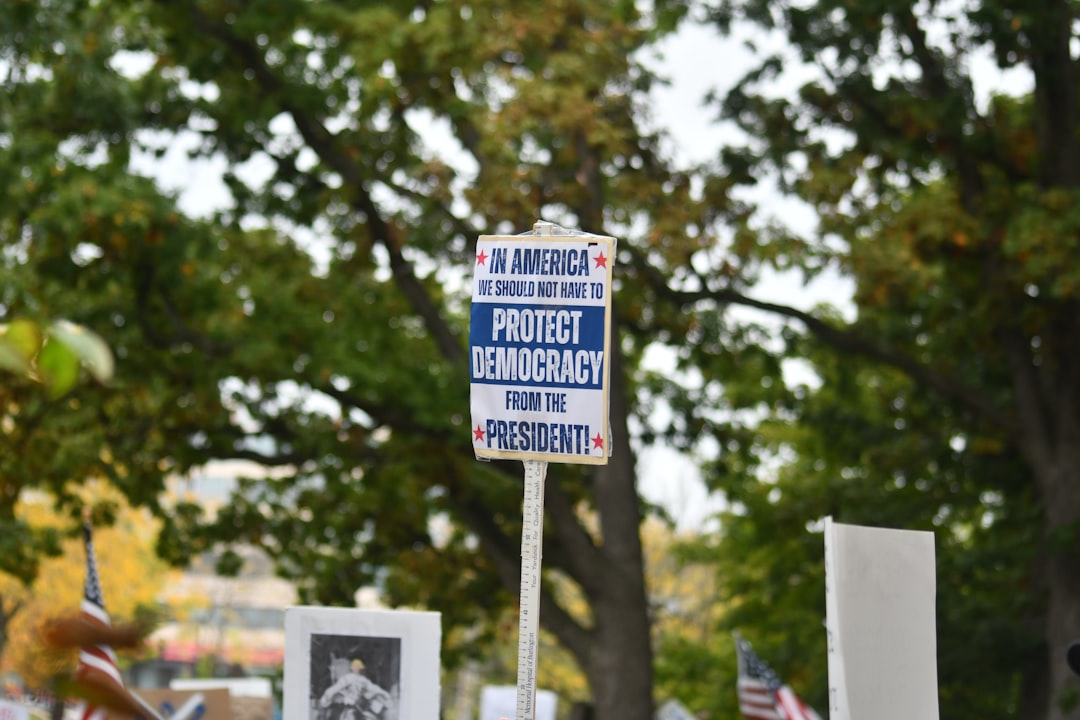
As the world grapples with numerous challenges, from climate change to social inequality, the realm of politics has become more crucial than ever. With the rise of social media, it’s easier for individuals to stay informed and engaged with current events, but the complexity of political systems and ideologies can be overwhelming. Whether you’re a seasoned political enthusiast or just starting to explore the world of politics, understanding the dynamics at play is essential for making informed decisions and contributing to the democratic process. In this comprehensive guide, we’ll delve into the world of politics, exploring its various aspects, and providing valuable insights on how to navigate this intricate landscape.
Introduction to Political Systems
Politics encompasses a broad range of concepts, ideologies, and systems that govern how societies are organized and managed. At its core, politics is about the distribution of power and resources within a community or nation. There are several types of political systems, including democracy, authoritarianism, socialism, and liberalism, each with its unique characteristics and implications for citizens. Democracies, for instance, are based on the principles of representation, where citizens elect leaders to make decisions on their behalf. Understanding the type of political system in place is crucial for recognizing how policies are formulated and implemented.
In democratic societies, citizens have the right to participate in the political process through voting, protesting, and engaging in public discourse. This participation is fundamental for holding elected officials accountable and ensuring that the government represents the will of the people. However, the effectiveness of democratic systems can be hindered by factors such as voter suppression, disinformation, and partisan polarization. It’s essential for citizens to be aware of these challenges and to actively work towards mitigating their impact on the political process.
The Role of Ideologies in Shaping Political Landscapes
Political ideologies play a significant role in shaping the beliefs and values of individuals and societies. Ideologies such as conservatism, liberalism, and socialism provide frameworks for understanding complex political issues and guide decision-making processes. Conservatism, for example, emphasizes tradition, stability, and limited government intervention in economic matters. In contrast, liberalism advocates for progressive change, social justice, and government action to address economic and social inequalities.
The interplay between different ideologies can lead to vibrant political debates and the formulation of policies that reflect the diverse views of the populace. However, ideological divides can also lead to political polarization, where individuals become entrenched in their beliefs, leading to gridlock and political instability. Understanding the various political ideologies and their implications is vital for navigating the political landscape effectively and for engaging in constructive dialogue with those who hold different views.
Engaging in the Political Process
Engaging in the political process is not limited to voting during elections. There are numerous ways individuals can make their voices heard and contribute to the democratic process. Participating in public protests and demonstrations can be an effective way to draw attention to important issues and to push for policy changes. Writing to elected representatives, signing petitions, and volunteering for political campaigns are other avenues through which citizens can influence political outcomes.
The advent of social media has also revolutionized political engagement, providing platforms for individuals to access information, express their opinions, and mobilize support for causes they believe in. However, it’s crucial to approach social media with a critical eye, recognizing the potential for disinformation and the importance of verifying sources. By leveraging these tools effectively, individuals can enhance their political engagement and contribute to a more vibrant and inclusive democratic process.
The Impact of Globalization on Politics
Globalization has profoundly impacted the political landscape, connecting economies, societies, and political systems across the world. The increased flow of goods, services, and ideas has created new opportunities for cooperation and development but also poses significant challenges, such as economic inequality, cultural homogenization, and environmental degradation.
In this context, international relations and diplomacy play a critical role in addressing global challenges and promoting peace and stability. Multilateral institutions, such as the United Nations, and international agreements, like the Paris Climate Accord, reflect efforts to tackle global issues through collective action. Understanding the dynamics of globalization and its political implications is essential for developing effective strategies to navigate the complexities of the interconnected world we live in.
Conclusion: Empowering Yourself in the World of Politics
The world of politics is complex and multifaceted, influenced by a myriad of factors, from political systems and ideologies to globalization and technological advancements. Empowering yourself in this landscape requires a commitment to lifelong learning, critical thinking, and active engagement. By understanding the dynamics of politics, recognizing the role of ideologies, engaging in the political process, and navigating the challenges of globalization, individuals can make informed decisions and contribute to shaping the future of their communities and the world at large.
Key takeaways from this exploration of politics include the importance of political literacy, the need for active citizenship, and the recognition of the interconnectedness of political issues. As we move forward in an increasingly complex and interconnected world, embracing these principles will be crucial for building resilient, just, and democratic societies. Whether you’re a seasoned political enthusiast or just beginning your political journey, remember that your voice matters, and your engagement can make a difference in the world of politics.