

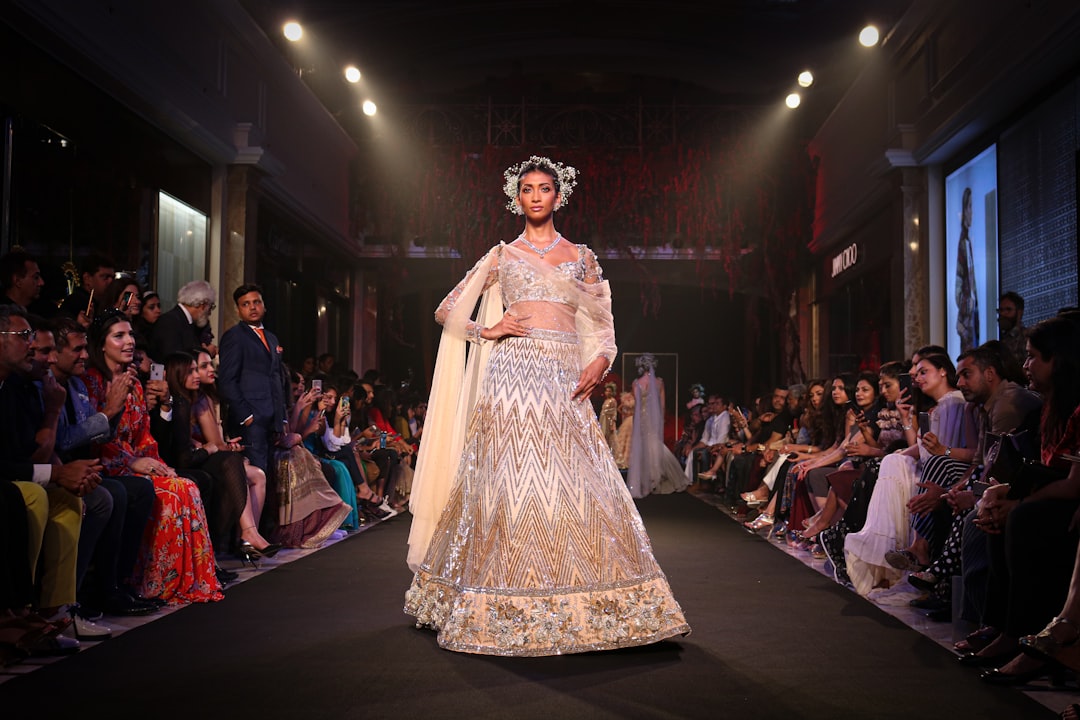
The world of fashion is a dynamic and ever-changing landscape, where trends come and go, and styles are constantly evolving. From the catwalks of Paris to the streets of New York, fashion is a universal language that speaks to people of all cultures, ages, and backgrounds. Whether you’re a fashionista, a minimalist, or somewhere in between, staying on top of the latest fashion trends and must-haves can be a daunting task. In this comprehensive guide, we’ll delve into the world of fashion, exploring the latest trends, providing valuable tips, and highlighting the essential items that every style-conscious individual should have in their wardrobe.
Understanding Fashion Trends: The Who, What, and Why
Fashion trends are a reflection of the times we live in, influenced by social, cultural, and economic factors. They can be sparked by celebrity culture, social media, or even politics. To stay ahead of the curve, it’s essential to understand the driving forces behind fashion trends. For instance, the rise of sustainable fashion is a response to the growing concern about climate change and the environmental impact of the fashion industry. Similarly, the resurgence of 80s and 90s fashion is a nod to the nostalgia of past decades. By understanding the why behind fashion trends, you can make informed decisions about what to wear and how to incorporate the latest styles into your wardrobe.
Some of the current fashion trends that are making waves include utility chic, neon colors, and statement accessories. Utility chic, characterized by functional details like pockets, buckles, and zippers, is all about practicality and comfort. Neon colors, on the other hand, add a pop of fun and playfulness to any outfit. Statement accessories, such as oversized hats, layered necklaces, and chunky shoes, can elevate even the most basic outfit into a fashion statement. By incorporating these trends into your wardrobe, you can stay on-trend without sacrificing your personal style.
Building a Timeless Wardrobe: Essential Items and Tips
While fashion trends come and go, a well-curated wardrobe should be timeless and versatile. To build a wardrobe that stands the test of time, it’s essential to focus on essential items that can be mixed and matched to create multiple outfits. Some must-haves include a classic white shirt, a pair of well-fitted jeans, a little black dress, and a quality leather jacket. These items can be dressed up or down, making them perfect for any occasion.
In addition to these essential items, there are several tips to keep in mind when building a timeless wardrobe. First, invest in quality over quantity. Instead of buying cheap, trendy items that may quickly go out of style, opt for higher-quality, classic pieces that will last for years to come. Second, consider the 80/20 rule, which suggests that 80% of the time, you likely wear 20% of your clothes. By identifying your most-worn items and focusing on those, you can create a more streamlined and efficient wardrobe. Finally, don’t be afraid to experiment and try new things. Fashion is all about self-expression, so don’t be afraid to take risks and try out new styles and trends.
The Impact of Technology on Fashion: E-commerce, Social Media, and Beyond
The rise of technology has revolutionized the fashion industry, making it more accessible, convenient, and connected than ever before. E-commerce platforms like Amazon, ASOS, and Net-a-Porter have made it possible to shop from anywhere, at any time, and have given consumers unprecedented access to a wide range of brands and products. Social media platforms like Instagram, TikTok, and YouTube have also transformed the way we consume fashion, with influencers, bloggers, and celebrities showcasing the latest trends and must-haves to millions of followers.
In addition to e-commerce and social media, technology is also changing the way fashion is designed, produced, and consumed. 3D printing, artificial intelligence, and virtual reality are just a few examples of the innovative technologies that are being used to create sustainable, customizable, and immersive fashion experiences. For instance, some brands are using 3D printing to create made-to-order shoes and accessories, reducing waste and minimizing environmental impact. Others are using artificial intelligence to predict fashion trends and create personalized recommendations for customers.
Sustainable Fashion: The Future of the Industry
As the fashion industry continues to grow and evolve, sustainability has become an increasingly important topic. The production, distribution, and consumption of clothing have a significant impact on the environment, with the industry being one of the largest polluters in the world. To mitigate this impact, many brands and consumers are turning to sustainable fashion, which prioritizes eco-friendly materials, reduces waste, and promotes recycling and upcycling.
Some ways to incorporate sustainable fashion into your wardrobe include buying second-hand, renting clothing, and investing in timeless, high-quality pieces. You can also look for brands that prioritize sustainability, such as Patagonia, Reformation, and Stella McCartney, which use eco-friendly materials, reduce waste, and promote fair labor practices. By making conscious choices about the clothing we wear and the brands we support, we can help reduce the environmental impact of the fashion industry and create a more sustainable future for fashion.
In conclusion, the world of fashion is a complex and multifaceted landscape, influenced by social, cultural, and economic factors. By understanding fashion trends, building a timeless wardrobe, embracing technology, and prioritizing sustainability, you can stay on top of the latest styles and must-haves while also making a positive impact on the environment. Whether you’re a fashion novice or a seasoned style expert, the key takeaways are to stay informed, be mindful of your consumption, and always keep your personal style in mind. With these tips and insights, you’ll be well on your way to navigating the ever-evolving world of fashion with confidence and flair.