

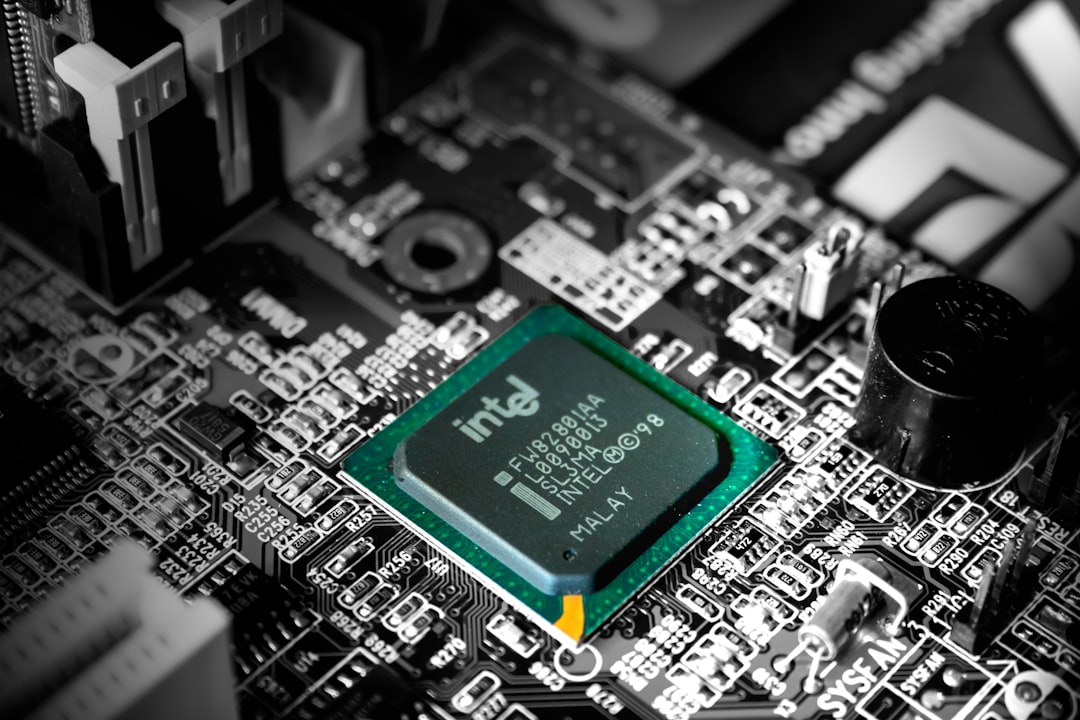
In the blink of an eye, technology has transformed the way we live, work, and interact with one another. From the moment we wake up to the moment we go to bed, we are surrounded by an array of technological advancements that make our lives easier, faster, and more convenient. But have you ever stopped to think about the profound impact that technology is having on our world? From artificial intelligence and machine learning to the Internet of Things (IoT) and cybersecurity, the technological landscape is evolving at a breakneck pace. In this blog post, we’ll delve into the exciting world of technology and explore the latest trends, innovations, and applications that are revolutionizing the way we live and work.
The Rise of Artificial Intelligence and Machine Learning
Artificial intelligence (AI) and machine learning (ML) are two of the most exciting and rapidly evolving areas of technology. AI refers to the development of computer systems that can perform tasks that typically require human intelligence, such as visual perception, speech recognition, and decision-making. ML, on the other hand, is a subset of AI that involves the use of algorithms and statistical models to enable machines to learn from data and improve their performance over time. The applications of AI and ML are vast and varied, ranging from virtual assistants like Siri and Alexa to self-driving cars and personalized product recommendations. For example, companies like Netflix and Amazon use ML to analyze customer data and provide tailored recommendations, while healthcare organizations use AI-powered chatbots to diagnose and treat patients remotely.
One of the key benefits of AI and ML is their ability to automate repetitive and mundane tasks, freeing up humans to focus on more creative and strategic work. For instance, AI-powered tools can help businesses automate tasks such as data entry, bookkeeping, and customer service, allowing them to streamline their operations and improve efficiency. Additionally, AI and ML can help organizations make better decisions by providing them with insights and patterns that may not be visible to the human eye. By leveraging AI and ML, companies can gain a competitive edge in the market and stay ahead of the curve.
The Internet of Things: Connecting the World
The Internet of Things (IoT) refers to the network of physical devices, vehicles, and other items that are embedded with sensors, software, and connectivity, allowing them to collect and exchange data. The IoT has the potential to revolutionize the way we live and work, from smart homes and cities to industrial automation and transportation. For example, smart thermostats can learn a household’s temperature preferences and adjust the temperature accordingly, while smart traffic management systems can optimize traffic flow and reduce congestion.
One of the key applications of the IoT is in the area of industrial automation, where it can help companies improve efficiency, reduce costs, and enhance productivity. For instance, IoT sensors can be used to monitor equipment performance, detect anomalies, and predict maintenance needs, allowing companies to minimize downtime and optimize their operations. Additionally, the IoT can help companies improve their supply chain management by providing them with real-time visibility into their inventory levels, shipping routes, and delivery schedules.
Cybersecurity: Protecting the Digital World
As technology continues to advance and more devices become connected to the internet, the risk of cyber threats and attacks also increases. Cybersecurity refers to the practice of protecting digital information, networks, and systems from unauthorized access, use, disclosure, disruption, modification, or destruction. This includes protecting against malware, viruses, phishing attacks, and other types of cyber threats. For example, companies can use firewalls, intrusion detection systems, and encryption to protect their networks and data from unauthorized access.
One of the key challenges of cybersecurity is the constantly evolving nature of cyber threats. As new technologies emerge, new vulnerabilities also arise, making it essential for companies to stay vigilant and proactive in their cybersecurity efforts. For instance, companies can use AI-powered tools to detect and respond to cyber threats in real-time, while also providing employees with regular training and awareness programs to prevent phishing and other types of cyber attacks. By prioritizing cybersecurity, companies can protect their reputation, prevent financial losses, and maintain customer trust.
The Future of Technology: Emerging Trends and Innovations
As technology continues to evolve, we can expect to see a range of exciting new trends and innovations emerge. Some of the areas to watch include blockchain, 5G networks, and augmented and virtual reality. Blockchain, for example, has the potential to revolutionize the way we conduct transactions and exchange data, while 5G networks will enable faster and more reliable connectivity. Augmented and virtual reality, on the other hand, will change the way we experience and interact with information, from gaming and entertainment to education and training.
One of the key benefits of these emerging technologies is their potential to create new business models, products, and services. For instance, blockchain can be used to create secure and transparent supply chains, while 5G networks can enable new applications such as remote healthcare and smart cities. Augmented and virtual reality can also be used to create immersive and interactive experiences, such as virtual product demonstrations and training simulations. By embracing these emerging technologies, companies can stay ahead of the curve and capitalize on new opportunities for growth and innovation.
In conclusion, technology is revolutionizing the world at an unprecedented pace. From AI and ML to the IoT and cybersecurity, the technological landscape is evolving rapidly, and it’s essential for businesses and individuals to stay informed and adapt to these changes. By leveraging the latest trends, innovations, and applications, companies can gain a competitive edge, improve efficiency, and drive growth. As we look to the future, it’s exciting to think about the possibilities that technology will bring, from emerging trends like blockchain and 5G networks to the endless possibilities of augmented and virtual reality. Whether you’re a business leader, a technologist, or simply a curious individual, one thing is clear: technology is changing the game, and it’s essential to be a part of it. Key takeaways from this blog post include:
- AI and ML are transforming the way we live and work, with applications ranging from virtual assistants to self-driving cars.
- The IoT is connecting the world, from smart homes and cities to industrial automation and transportation.
- Cybersecurity is essential for protecting digital information, networks, and systems from unauthorized access and cyber threats.
- Emerging technologies like blockchain, 5G networks, and augmented and virtual reality are poised to revolutionize the way we live and work.
- By embracing these technological advancements, companies can gain a competitive edge, improve efficiency, and drive growth.