

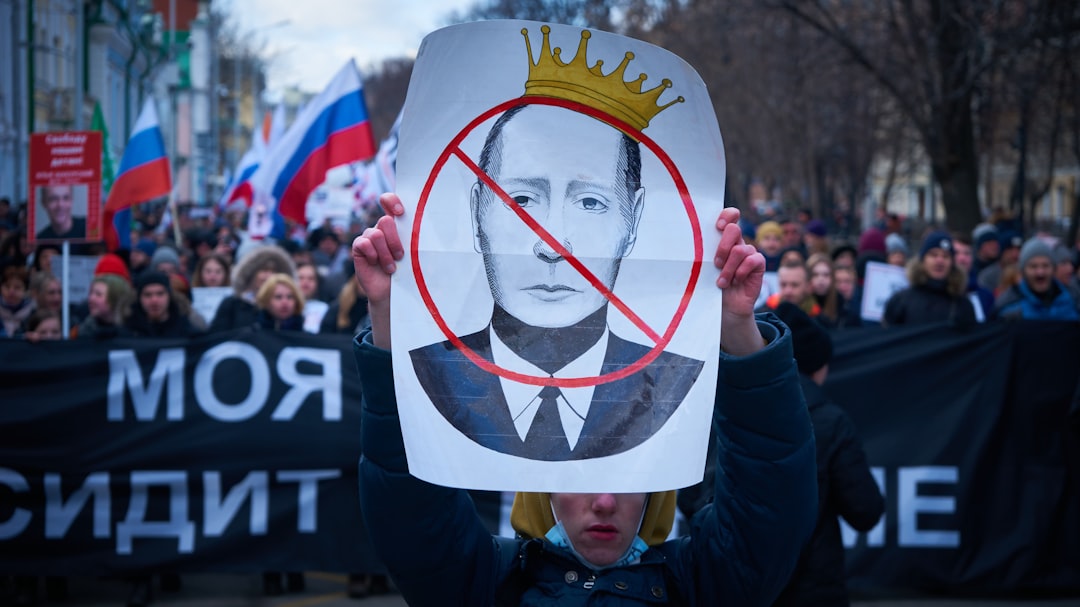
As the old adage goes, “politics is the art of the possible.” But what exactly does that mean, and how does it affect our daily lives? From the local city council to the national government, politics plays a significant role in shaping our communities, economies, and individual freedoms. In this comprehensive guide, we’ll delve into the world of politics, exploring its various systems, key players, and the impact it has on society. Whether you’re a seasoned politico or just starting to get interested in current events, this post will provide you with a deeper understanding of the complex and often fascinating world of politics.
Introduction to Political Systems
When it comes to politics, there are several systems that govern how countries, states, and cities are run. The most common systems include democracy, authoritarianism, and oligarchy. In a democratic system, power is held by the people, either directly or through elected representatives. This is in contrast to authoritarian systems, where power is concentrated in the hands of a single person or group, often without regard for individual rights or freedoms. Oligarchies, on the other hand, are systems where power is held by a small group of people, often wealthy or influential individuals.
Understanding these systems is crucial in grasping the nuances of politics. For instance, democratic systems rely on principles such as free and fair elections, protection of individual rights, and the rule of law. Authoritarian systems, however, often suppress dissent, restrict freedoms, and maintain power through coercion or manipulation. As we navigate the complexities of global politics, recognizing these differences is essential for promoting democracy, human rights, and international cooperation.
Key Players in Politics
Politics is not just about systems and ideologies; it’s also about the people who shape and influence them. From politicians and policymakers to activists and journalists, there are numerous players who contribute to the political landscape. Politicians, for example, are elected representatives who make decisions on behalf of their constituents. They can be found at all levels of government, from local council members to national leaders. Policymakers, on the other hand, are individuals who craft and implement laws, regulations, and programs that affect various aspects of society.
Activists and advocacy groups also play a vital role in politics, often pushing for social change, environmental protection, or human rights. They can mobilize public support, raise awareness about critical issues, and pressure governments to take action. Journalists, meanwhile, serve as watchdogs, holding those in power accountable and providing citizens with the information they need to make informed decisions. By understanding the roles and motivations of these key players, we can better navigate the complex world of politics and make our voices heard.
The Impact of Politics on Society
Politics has a profound impact on society, influencing everything from our economies and environments to our social structures and individual freedoms. Economic policies, for instance, can affect employment rates, income inequality, and access to essential services like healthcare and education. Environmental policies, on the other hand, can determine the fate of our planet, influencing issues like climate change, conservation, and sustainable development.
Social policies, meanwhile, can shape our communities, impacting issues like immigration, racial equality, and social justice. They can also influence our cultural norms, values, and beliefs, often reflecting the dominant ideologies of the time. By examining the impact of politics on society, we can see how it affects our daily lives, from the taxes we pay to the air we breathe. This understanding can empower us to participate in the political process, advocate for change, and build a better future for ourselves and future generations.
Staying Informed and Engaged in Politics
In today’s fast-paced, interconnected world, staying informed about politics is easier than ever. With the rise of social media, online news outlets, and fact-checking websites, we have access to a vast array of information and resources. However, it’s essential to critically evaluate the sources we consume, seeking out credible, unbiased information that helps us form informed opinions.
Engaging in politics is not just about voting or attending rallies; it’s also about participating in public discourse, volunteering for causes we care about, and contacting our representatives to express our views. By doing so, we can hold our leaders accountable, promote transparency and accountability, and contribute to a more just and equitable society. As the renowned political scientist, Joseph Schumpeter, once said, “the democratic method is that institutional arrangement for arriving at political decisions in which individuals acquire the power to decide by means of a competitive struggle for the people’s vote.”
Conclusion and Key Takeaways
In conclusion, politics is a complex, multifaceted field that influences every aspect of our lives. By understanding the various systems, players, and impact of politics on society, we can navigate the complexities of global events, make informed decisions, and participate in the democratic process. The key takeaways from this guide include:
- Recognizing the differences between democratic, authoritarian, and oligarchic systems
- Understanding the roles and motivations of key players in politics, from politicians to activists
- Appreciating the impact of politics on society, from economies and environments to social structures and individual freedoms
- Staying informed and engaged in politics, through critical evaluation of sources and participation in public discourse
- Empowering ourselves to promote democracy, human rights, and international cooperation, and to build a better future for all.
As we move forward in an increasingly interconnected world, it’s essential that we prioritize political awareness, critical thinking, and civic engagement. By doing so, we can foster a more just, equitable, and peaceful world, where the principles of democracy, human rights, and sustainability are upheld for the benefit of all.