

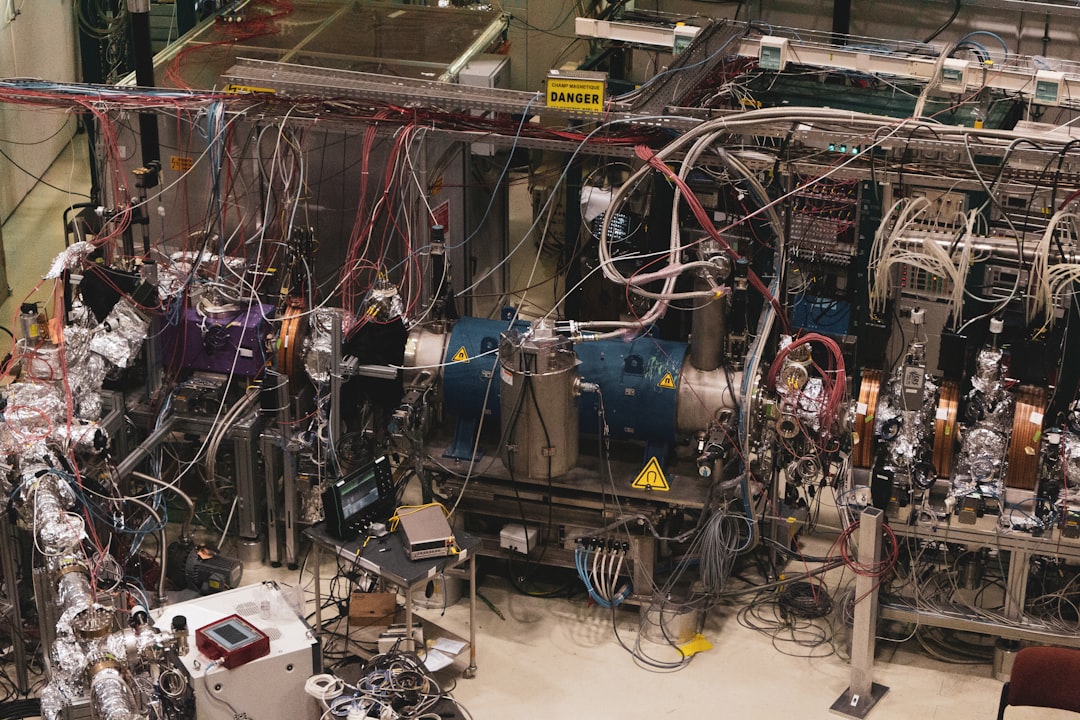
As we gaze up at the starry night sky, we can’t help but wonder about the mysteries of the universe. From the intricacies of the human body to the vast expanse of space, science has been the driving force behind our understanding of the world around us. With its roots in curiosity and a passion for discovery, science has revolutionized the way we live, work, and interact with our environment. In this blog post, we’ll embark on a journey to explore the fascinating world of science, delving into its various branches, groundbreaking discoveries, and the impact it has on our daily lives.
The Branches of Science: A Diverse and Interconnected Web
Science is a broad and multidisciplinary field, comprising several branches that work together to form a comprehensive understanding of the world. The main branches of science include physics, chemistry, biology, earth sciences, and mathematics. Physics, the study of matter and energy, has led to breakthroughs in fields like mechanics, thermodynamics, and electromagnetism. Chemistry, the science of matter and its interactions, has enabled us to develop new materials, medicines, and technologies. Biology, the study of living organisms, has shed light on the intricate mechanisms of life, from the molecular level to entire ecosystems. Earth sciences, which encompass geology, meteorology, and oceanography, help us understand the dynamic processes that shape our planet. Mathematics, the language of science, provides the tools and frameworks for analyzing and interpreting data.
Each branch of science is interconnected, and advancements in one field often have a ripple effect, influencing others. For instance, the discovery of DNA structure and function, a major breakthrough in biology, relied heavily on principles from physics and chemistry. Similarly, the development of new materials and technologies, driven by chemistry and physics, has transformed fields like medicine, energy, and transportation. By recognizing the interconnectedness of science, we can appreciate the complexity and beauty of the natural world, and harness the power of scientific inquiry to address pressing global challenges.
Scientific Methodology: The Foundation of Reliable Knowledge
At the heart of science lies the scientific method, a systematic approach to exploring the world and testing hypotheses. This rigorous process involves observation, question formulation, hypothesis generation, experimentation, data analysis, and conclusion drawing. The scientific method provides a framework for ensuring the reliability and validity of scientific findings, allowing us to distinguish between fact and fiction, and to build upon existing knowledge. By following the scientific method, scientists can minimize biases, account for variables, and establish cause-and-effect relationships, ultimately leading to a deeper understanding of the world.
The scientific method is not limited to professional scientists; it can be applied in everyday life, from evaluating the effectiveness of a new product to making informed decisions about our health and well-being. By embracing the scientific method, we can cultivate critical thinking, skepticism, and a willingness to revise our beliefs based on new evidence. In an era of misinformation and pseudoscience, the scientific method serves as a beacon of rationality, guiding us toward a more informed and enlightened society.
Groundbreaking Discoveries: The Power of Human Ingenuity
Throughout history, science has been marked by groundbreaking discoveries that have transformed our understanding of the world and improved our quality of life. From the discovery of gravity by Isaac Newton to the development of the theory of evolution by Charles Darwin, scientific breakthroughs have repeatedly challenged our assumptions and expanded our knowledge. More recent examples include the discovery of dark matter and dark energy, which have revolutionized our understanding of the universe, and the development of CRISPR gene editing, which holds promise for treating genetic diseases.
These discoveries demonstrate the power of human ingenuity and the boundless potential of scientific inquiry. By investing in scientific research and education, we can unlock new technologies, create innovative solutions, and address pressing global challenges like climate change, sustainable energy, and global health. As we continue to push the boundaries of scientific knowledge, we must also acknowledge the importance of responsible innovation, ensuring that our discoveries are used for the betterment of society and the environment.
The Impact of Science on Daily Life: A World of Wonder and Discovery
Science is not just a abstract concept; it has a profound impact on our daily lives, from the food we eat to the technologies we use. The application of scientific principles has led to numerous innovations, including medical treatments, transportation systems, and communication technologies. Science has also improved our understanding of the environment, enabling us to develop sustainable practices, conserve natural resources, and mitigate the effects of climate change.
In addition to its practical applications, science has a profound impact on our culture and society. It inspires us to ask questions, seek answers, and explore the unknown. Science has also become a driving force behind economic growth, with scientific research and development contributing to the creation of new industries, jobs, and opportunities. By embracing science and its many wonders, we can foster a culture of curiosity, creativity, and innovation, empowering future generations to tackle the complex challenges of the 21st century.
In conclusion, science is a rich and dynamic field that has transformed our understanding of the world and improved our quality of life. By exploring the branches of science, embracing the scientific method, and acknowledging the power of human ingenuity, we can unlock the secrets of the universe and harness the power of scientific inquiry. As we continue to push the boundaries of knowledge, we must also recognize the importance of responsible innovation, ensuring that our discoveries are used for the betterment of society and the environment. The key takeaways from this journey through science are:
- Science is a diverse and interconnected field, comprising multiple branches that work together to form a comprehensive understanding of the world.
- The scientific method provides a rigorous framework for ensuring the reliability and validity of scientific findings.
- Groundbreaking discoveries have the power to transform our understanding of the world and improve our quality of life.
- Science has a profound impact on our daily lives, from the food we eat to the technologies we use.
- By embracing science and its many wonders, we can foster a culture of curiosity, creativity, and innovation, empowering future generations to tackle the complex challenges of the 21st century.