

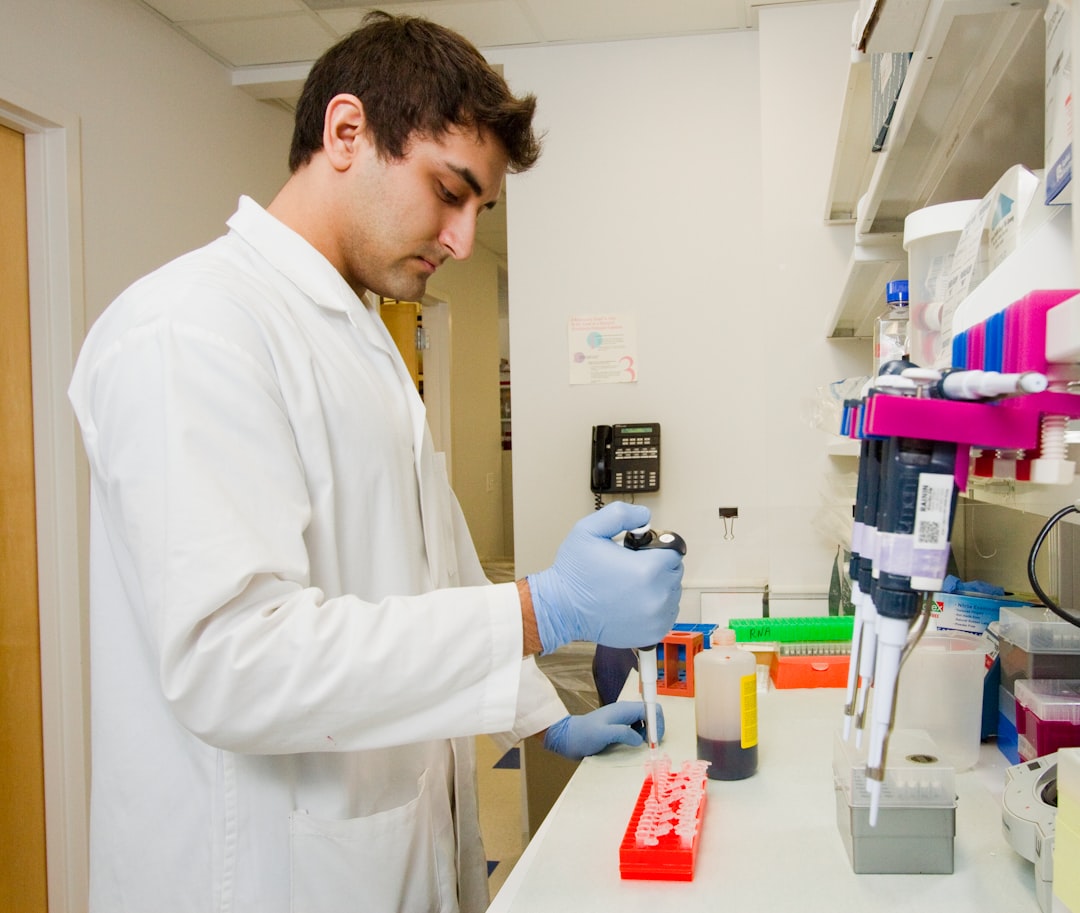
As we navigate the complexities of our daily lives, it’s easy to overlook the incredible impact that science has on our world. From the smartphones in our pockets to the medical treatments that save lives, science is the driving force behind many of the modern conveniences and advancements we enjoy today. But science is more than just a collection of facts and formulas – it’s a way of thinking, a process of discovery, and a journey of exploration that has the power to inspire, educate, and transform us. In this blog post, we’ll delve into the fascinating world of science, exploring its many branches, applications, and benefits, and uncovering the secrets that make it so essential to our understanding of the universe and our place within it.
What is Science?
Science is often defined as a systematic enterprise that seeks to build and organize knowledge in the form of testable explanations and predictions about the universe. It’s a discipline that relies on observation, experimentation, and evidence-based reasoning to develop and refine our understanding of the world around us. Science encompasses a broad range of fields, including biology, chemistry, physics, earth sciences, and mathematics, each with its own unique methods, tools, and areas of study. By applying the scientific method – a process of hypothesis, experimentation, and analysis – scientists and researchers can gain insights into the natural world, develop new technologies, and address some of the most pressing challenges facing our planet.
The Branches of Science
One of the most fascinating aspects of science is its diversity and breadth. From the intricate mechanisms of molecular biology to the vast expanses of astrophysics, each branch of science offers a unique perspective on the world and our place within it. Some of the main branches of science include:
- Physics: the study of energy, matter, and the fundamental laws that govern the behavior of the universe. Physics is essential for understanding phenomena such as gravity, electromagnetism, and thermodynamics, and has led to breakthroughs in fields like engineering, materials science, and technology.
- Biology: the study of living organisms and their interactions with the environment. Biology encompasses fields like genetics, ecology, and evolutionary biology, and has led to significant advances in medicine, conservation, and environmental science.
- Chemistry: the study of the composition, properties, and reactions of matter. Chemistry is crucial for understanding the behavior of atoms and molecules, and has applications in fields like materials science, pharmaceuticals, and environmental science.
- Earth Sciences: the study of the Earth’s physical structure, composition, and processes. Earth sciences include fields like geology, meteorology, and oceanography, and are essential for understanding natural hazards, climate change, and the management of natural resources.
- Medical Science: the application of scientific principles to the diagnosis, treatment, and prevention of diseases. Medical science has led to significant advances in fields like genetics, immunology, and pharmacology, and has improved our understanding of human health and disease.
- Technology: the application of scientific principles to the development of new products, processes, and systems. Technology has transformed the way we communicate, work, and live, and has led to breakthroughs in fields like computing, robotics, and artificial intelligence.
- Environmental Science: the application of scientific principles to the management of natural resources and the protection of the environment. Environmental science is essential for understanding the impact of human activities on the environment, and for developing sustainable solutions to challenges like climate change, pollution, and conservation.
- Improved Health and Wellbeing: science has led to significant advances in medical science, including the development of new treatments, vaccines, and diagnostic tools.
- Increased Food Security: science has improved our understanding of agriculture, leading to more efficient and sustainable farming practices, and increased crop yields.
- Economic Growth and Development: science has driven innovation and entrepreneurship, leading to the creation of new industries, jobs, and opportunities.
- Environmental Sustainability: science has helped us understand the impact of human activities on the environment, and has led to the development of sustainable solutions to challenges like climate change, pollution, and conservation.
- Science is a systematic enterprise that seeks to build and organize knowledge about the universe.
- The branches of science include physics, biology, chemistry, earth sciences, and mathematics, each with its own unique methods and areas of study.
- Science has numerous practical applications that impact our daily lives, including medical science, technology, and environmental science.
- The benefits of science include improved health and wellbeing, increased food security, economic growth and development, and environmental sustainability.
The Applications of Science
Science has numerous practical applications that impact our daily lives in countless ways. From the development of new medical treatments and technologies to the creation of sustainable energy solutions and environmental management strategies, science is the driving force behind many of the innovations that shape our world. Some examples of the applications of science include:
The Benefits of Science
So why is science so important, and what benefits does it offer to individuals and society as a whole? Some of the key benefits of science include:
In conclusion, science is a powerful tool that has the potential to transform our understanding of the world and our place within it. By exploring the many branches of science, applying scientific principles to real-world problems, and recognizing the benefits of science, we can unlock new discoveries, innovations, and opportunities that can improve our lives and the lives of future generations. Whether you’re a student, a researcher, or simply someone with a curious mind, science has something to offer everyone – so why not start exploring today? Key takeaways from this blog post include: