

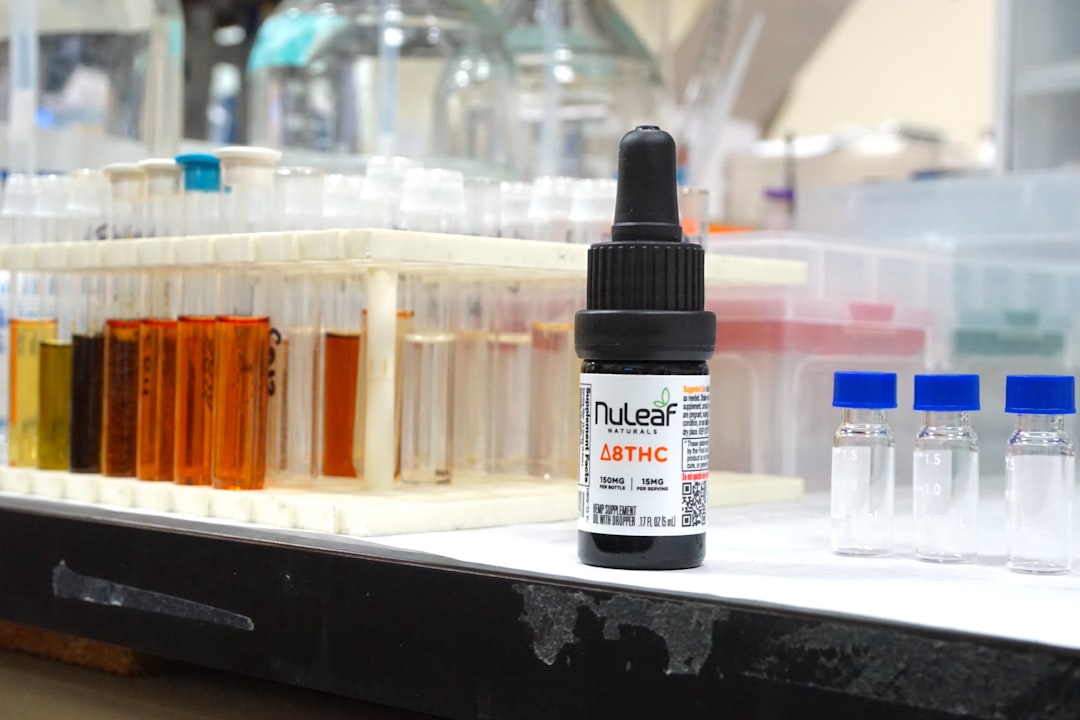
As we gaze up at the starry night sky, ponder the mysteries of the universe, or marvel at the latest technological advancements, we are reminded of the profound impact of science on our daily lives. From the intricate workings of the human body to the vast expanse of space, science has been the driving force behind many of the most significant discoveries and innovations in human history. In this blog post, we’ll embark on a fascinating journey through the world of science, exploring its various branches, key concepts, and the latest breakthroughs that are shaping our understanding of the world and beyond.
What is Science, and Why is it Important?
Science is a systematic and structured approach to understanding the natural world through observation, experimentation, and evidence-based reasoning. It encompasses a broad range of disciplines, including biology, chemistry, physics, earth sciences, and more. By applying the scientific method, researchers and scientists aim to develop and test hypotheses, form theories, and ultimately uncover the underlying principles that govern the behavior of the physical universe. The importance of science cannot be overstated, as it has led to countless improvements in our quality of life, from medical advancements and technological innovations to environmental conservation and sustainable development. By investing in scientific research and education, we can ensure a brighter future for generations to come.
Branches of Science: Exploring the Diverse Disciplines
The scientific community is comprised of various branches, each with its unique focus and scope. Let’s take a closer look at some of the main disciplines:
- Biology: The study of living organisms, including their structure, function, growth, evolution, and interactions with the environment. Biologists explore the intricate mechanisms of the human body, the diversity of ecosystems, and the complex relationships between species.
- Chemistry: The examination of the composition, properties, and reactions of matter. Chemists investigate the building blocks of matter, from atoms and molecules to complex compounds and materials.
- Physics: The investigation of the fundamental laws governing the behavior of energy, matter, and space. Physicists delve into the mysteries of the universe, from the smallest subatomic particles to the vast expanses of cosmic structures.
- Earth Sciences: The study of our planet’s composition, processes, and phenomena, including geology, meteorology, and oceanography. Earth scientists explore the dynamic systems that shape our environment, from plate tectonics to climate change.
- Artificial Intelligence (AI): The development of intelligent machines capable of learning, problem-solving, and decision-making. AI is transforming industries such as healthcare, finance, and transportation, and has the potential to revolutionize many aspects of our lives.
- Gene Editing: The discovery of CRISPR-Cas9, a powerful tool for editing genes and modifying the genetic code. This technology holds immense promise for treating genetic diseases, improving crop yields, and developing novel therapies.
- Renewable Energy: The rapid growth of solar and wind power, which are becoming increasingly cost-competitive with fossil fuels. As the world transitions to a low-carbon economy, renewable energy sources will play a vital role in mitigating climate change and ensuring a sustainable future.
- Space Exploration: The resurgence of interest in space travel, with both government agencies and private companies like SpaceX and Blue Origin pushing the boundaries of space technology. As we continue to explore the cosmos, we may uncover new resources, discover new worlds, and expand our understanding of the universe.
- Interdisciplinary Research: The integration of multiple disciplines to tackle complex problems and challenges. By combining insights and expertise from biology, physics, chemistry, and other fields, researchers can develop innovative solutions to real-world problems.
- Citizen Science: The involvement of the general public in scientific research, through projects such as crowdsourced data collection and community-based experiments. Citizen science has the potential to democratize science, increase public engagement, and foster a sense of ownership and participation.
- Science Education: The importance of educating the next generation of scientists, engineers, and thinkers. By providing access to quality science education, we can inspire young minds, develop critical thinking skills, and ensure a steady supply of talented individuals to drive innovation and progress.
- Science is a systematic and structured approach to understanding the natural world.
- The various branches of science, including biology, chemistry, physics, and earth sciences, each offer unique insights and perspectives.
- Recent advancements in AI, gene editing, renewable energy, and space exploration are transforming our world and shaping the future of science.
- Emerging trends such as interdisciplinary research, citizen science, and science education will continue to drive innovation and progress in the years to come.
The Latest Breakthroughs and Innovations in Science
The scientific community is constantly pushing the boundaries of human knowledge, and recent years have seen a plethora of groundbreaking discoveries and innovations. Some of the most notable advancements include:
The Future of Science: Emerging Trends and Opportunities
As we look to the future, it’s clear that science will continue to play a vital role in shaping our world. Some of the emerging trends and opportunities that are likely to have a significant impact include:
In conclusion, science is a wondrous and dynamic field that has the power to transform our lives, our planet, and our understanding of the universe. By embracing the scientific method, exploring the diverse disciplines, and staying up-to-date with the latest breakthroughs and innovations, we can unlock the full potential of science and create a brighter future for all. Key takeaways from this journey through the world of science include: